Choosing the right office chair is easier when the decision begins with a real routine rather than a product page. This guide is designed for home offices, study areas and extended computer work. It focuses on the details that affect daily results, the compromises hidden behind headline claims, and the ownership questions that are easy to miss before purchase.
Match the product to the setting
First, describe where the product will live, who will use it and how often it will be needed. Note the available space, nearby power or storage, and any limits created by noise, weight or setup time. A feature that solves a weekly problem deserves more weight than one that looks impressive in a comparison chart but will rarely be used.
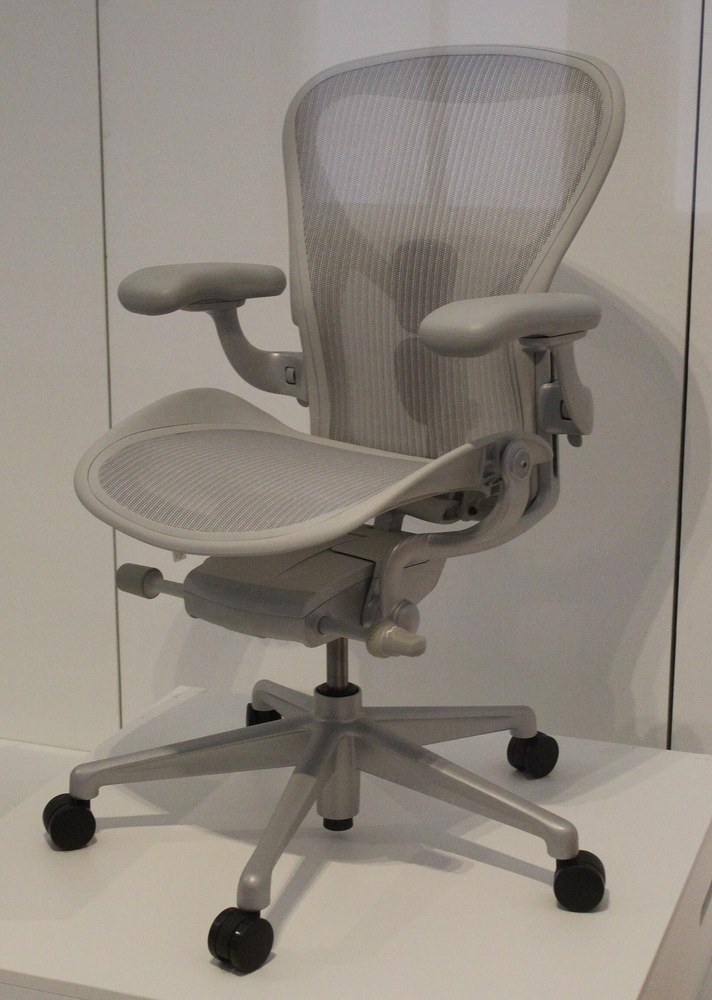
The core comparison should cover seat height, lumbar adjustment, armrests, recline and fit range. These factors work together. A strong result in one column cannot always compensate for a weak result elsewhere, so compare models at the setting or workload you expect to use rather than at a short-lived maximum mode.
Focus on measurable fundamentals
Published specifications are most useful when their test conditions are clear. Look for units, ranges and stated assumptions, then check independent measurements when possible. If two brands describe the same feature differently, translate both claims into the same practical question: what task can the product complete, for how long, and with what level of effort or disruption?
- Seat height
- Lumbar adjustment
- Armrests
- Recline and fit range
Decide where to compromise
One central compromise is that more adjustments improve fit but add complexity and possible wear points. Decide which side of that trade-off matters more in your home or travel setup. Spending more is justified when it improves a frequently used function, durability or support. Paying extra for capacity that remains unused usually adds bulk and complexity without improving the experience.
Ergonomics and workflow deserve a hands-on check. Controls should be understandable, routine adjustments should not require the manual, and parts that need frequent cleaning should be accessible. Also consider everything required around the main product: cables, consumables, mounts, replacement parts or storage space can change both cost and convenience.
Look closely at design and maintenance
A common mistake is buying for a generic ergonomic label instead of matching body dimensions. Avoid it by writing three non-negotiable requirements and two acceptable compromises before shopping. This prevents a discount, a dramatic specification or a long feature list from pulling the decision away from the original need.
Ownership quality becomes clearer after the return period ends. Check warranty length, local service options, the price and availability of wear parts, and whether essential functions depend on an account or subscription. For ongoing care, tighten accessible fasteners and keep casters clean so controls remain smooth. Small maintenance tasks protect performance and reveal problems before they become expensive failures.
Use a repeatable home test
After purchase, sit for a full work block and note pressure, reach to controls and posture changes. Use the normal accessories and settings, record the result, and repeat the test if performance seems inconsistent. A controlled trial is more useful than a quick first impression because it exposes limits in comfort, stability, noise, runtime or repeatability.
Choosing with confidence
The strongest choice is the model that meets the defined job with comfortable margins and manageable upkeep. Compare total cost, confirm the return policy, and keep the packaging until the realistic test is complete. A balanced product used regularly provides more value than a technically superior model that is awkward to operate or maintain.